Tournament vs League: A Decision Guide for Organizers
Tournament vs League: A Decision Guide for Organizers
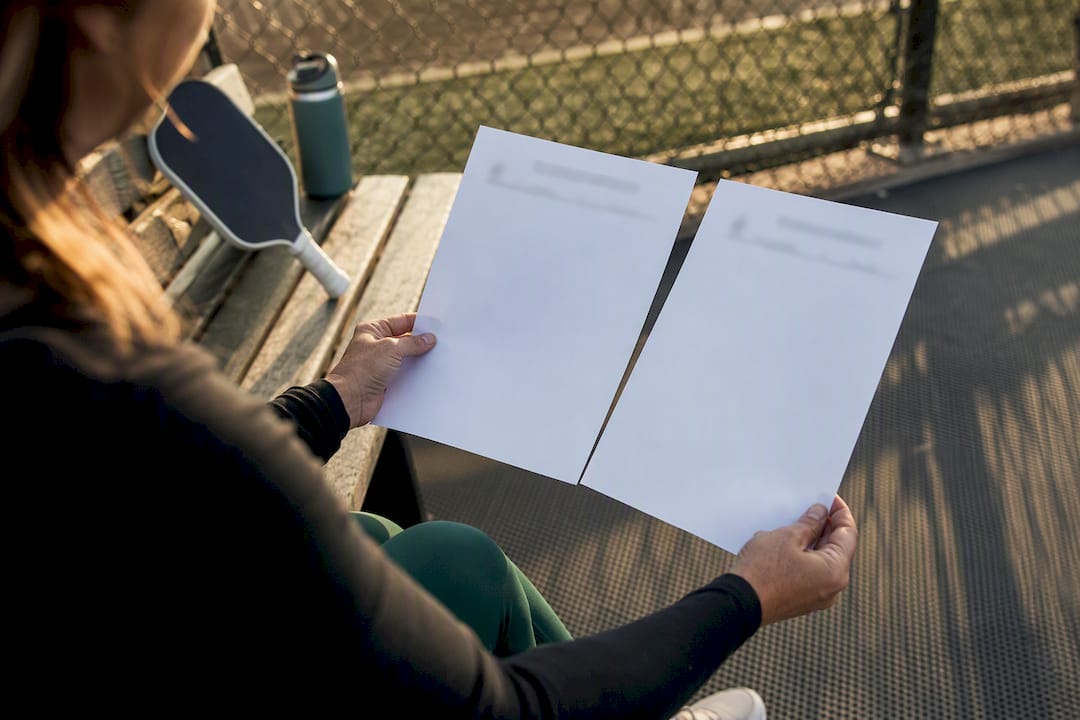
A tournament is a short, elimination-driven event that crowns one champion, whereas a league is a season-long competition where points and standings decide the ranking. That’s the whole difference in one sentence, and almost everything else in this guide flows from this.
Here’s what actually separates the two formats:
- Duration and cadence: tournaments run hours to a few days; leagues run weeks to months, often on a repeating schedule.
- Progression: tournaments use brackets or pool play to eliminate or rank entrants fast; leagues use standings built from cumulative results.
- Winner determination: a tournament produces one champion through a single decisive run; a league produces a ranking, sometimes feeding into a playoff for a title.
Quick verdict: if you want fast excitement and a low commitment ask from players, run a tournament. If you want retention, recurring revenue, and a community that comes back week after week, run a league.
Key Takeaways
Tournaments trade fairness for speed and drama, while leagues trade a longer commitment for accuracy, retention, and predictable revenue.
| Point | Details |
|---|---|
| Match format to goal | Pick tournaments for fast, low-commitment events and leagues for retention and community building. |
| Use hybrids for both | Group stage plus knockout, or season plus playoff, balances fairness with a dramatic finish. |
| Mitigate known risks | Use deposits to cut league dropouts and pool play to seed tournament brackets fairly. |
| Plan admin load accordingly | Tournaments concentrate work into one day; leagues spread it across weeks. |
Table of Contents
- Tournament vs League: Comparing the Key Tradeoffs
- How Do Leagues Work?
- How Do Tournaments Work?
- Which Format Should You Choose?
- Hybrid Formats That Blend Both Worlds
- Real Examples of Each Format in Action
- An Organizer’s Note on Choosing the Right Format
- Sources
Tournament vs League: Comparing the Key Tradeoffs
The gap between these formats shows up clearly once you line them up side by side. A side-by-side organizer comparison generally lists duration, admin load, and audience fit as the deciding factors, and those categories hold up across nearly every sport.
| Dimension | Tournament | League |
|---|---|---|
| Best for | Fast excitement, single champion, marketing events | Retention, community building, recurring revenue |
| Duration / cadence | Hours to a few days, one-off or occasional | Weeks to months, recurring season structure |
| Matches per entrant | Few (can be eliminated after one loss) | Many, spread across the season |
| Admin complexity | High on event day, low beforehand | Moderate but ongoing, spread over weeks |
| Fairness / ranking accuracy | Lower (one bad match can end a run) | Higher (results average out over time) |
| Spectator/engagement effects | High drama, easy to market as an event | Slower burn, builds loyalty over time |
| Cost and logistics | Concentrated: venue, staff, and prizes for one day | Distributed: ongoing scheduling and facility use |
| Scalability | Struggles with very large fields without long days | Scales well by adding divisions or nights |
Three tradeoffs matter most when you’re picking a format:
- Speed versus fairness: a round-robin league rewards consistency, while a bracket rewards one great day.
- Low commitment versus retention: tournaments ask for a single Saturday; leagues ask for weeks, but that’s exactly what builds a returning player base.
- Concentrated cost versus distributed cost: one expensive event day versus smaller, spread-out administrative work.
How Do Leagues Work?
A league is a competition that runs across a defined season, where teams or players accumulate points from individual matches to build a standings table. That table, not a single knockout run, decides who’s ranked where.
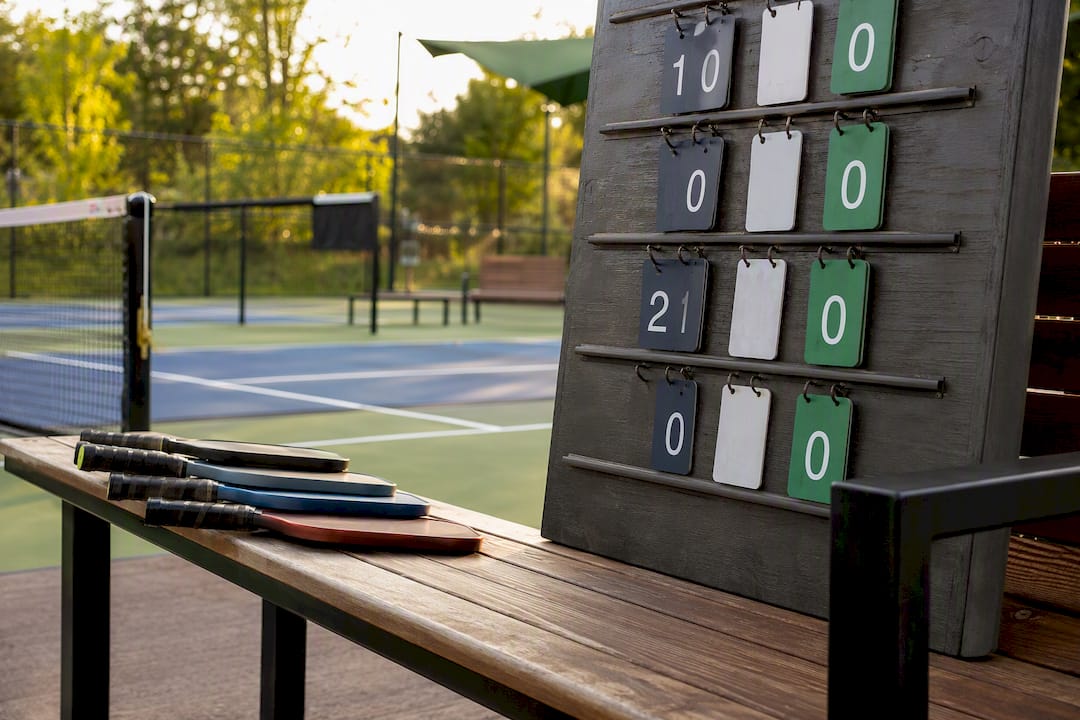
Most leagues share the same skeleton. A fixed schedule (often weekly) sets the cadence. A points system, usually rewarding wins over draws over losses, drives the standings. Tie breakers (head-to-head record, game differential, or point differential) resolve ties at the end. Larger leagues split into divisions by skill level, and some structures link divisions through promotion and relegation, where top finishers move up a tier and bottom finishers move down. The English football league system is the clearest sourced example of this: a pyramid of divisions where movement between levels happens every season, managed under a governing body’s rules.
A simple league season template you can adapt:
- Length: a moderate number of weeks is common for recreational leagues.
- Cadence: one match night per week, with makeup slots built into weeks 4 and 8.
- Team counts: a moderate number of teams per division keeps scheduling manageable.
- Milestones: registration close, mid-season standings check, and a final playoff week for the top four.
Pros and cons, from an organizer’s seat:
- Retention: players commit for weeks, not a single afternoon, which builds a habit.
- Predictable revenue: registration fees collected up front smooth out cash flow across a season.
- Admin load: lower per session than a tournament, but it never fully goes away, since you’re managing schedules and standings continuously.
- Fairness: a bad night doesn’t end a season, so rankings reflect real ability over time.
- Scheduling risk: rainouts, no shows, and venue conflicts stack up over weeks instead of a single day, so a mitigation plan matters.
Pro Tip: Collect a small deposit at registration and refund part of it for season completion. It cuts mid-season dropouts dramatically because players have skin in the game beyond the entry fee.
How Do Tournaments Work?
A tournament is a short competition where entrants play a fixed set of rounds, usually elimination or pool based, to produce a single champion. Everything about a tournament’s design centers on getting from a full field to one winner efficiently.
The most common tournament formats each solve a different problem:
- Single-elimination: one loss and you’re out. Fast, dramatic, and ideal when you need a winner in a single day.
- Double-elimination: you need two losses to be eliminated, which gives entrants a second chance and reduces the sting of one bad match.
- Round-robin / pool play: everyone plays everyone within a group, which produces a fairer read on ability before a knockout stage begins.
- Swiss format: entrants are paired against opponents with similar records each round, avoiding early elimination while still producing a clear ranking without requiring every possible matchup.
- Guaranteed-play variants: hybrid pool play plus bracket formats promise every entrant a minimum number of matches, which matters for player satisfaction at paid events.
Brackets are the visual backbone of knockout tournaments. A bracket is a tree-like diagram showing who plays whom and how the field narrows toward a final. Seeding places stronger entrants apart early on, so top competitors don’t meet until later rounds. Byes give some entrants a free pass in early rounds, usually because the field size isn’t a clean power of two. Some events fix the entire bracket before day one; others draw each round’s matchups as results come in, keeping suspense alive deeper into the event.
The predicting-a-full-bracket phenomenon known as bracketology, tied to events like the NCAA men’s basketball tournament, shows how much of a tournament’s spectator appeal comes from the bracket structure itself, not just the games.
Tournaments trade fairness for speed and drama. A single loss can end a strong team’s run in a way a league never would, and that unpredictability is exactly what makes tournaments compelling to watch and easy to market as a one-day event. The tradeoff is real: organizer guides consistently note that tournaments demand less time commitment from players but far more day-of management from staff, since everything from check-in to bracket updates has to happen in a compressed window.
Pro Tip: Run pool play before your bracket stage whenever the field allows it. It gives every entrant guaranteed matches and lets you seed the knockout rounds based on real results instead of guesswork. Organizers building sport-specific brackets can find more detail in this guide to pickleball tournament formats.
Which Format Should You Choose?
Run through these questions before committing to a structure:
- How much time do you have, a single day or several weeks?
- How many entrants are you expecting, and does that number scale cleanly into a bracket or a schedule?
- Are you trying to build a returning community, or attract new players for a one-time event?
- What venue and staff capacity do you actually have, both for one intense day and for weeks of recurring access?
- What prize structure fits your budget: a single payout, or standings-based rewards across a season?
- How much fairness do you need in the outcome versus how much drama do you want?
Match those answers to your actual goal:
- Grow a community: choose a league. Weekly matches build habits that a single event can’t.
- Host a capstone championship: choose a tournament. A charity fundraiser or end-of-year event thrives on a single decisive day.
- Try before committing: choose a tournament first. It’s a low-risk way to gauge interest before launching a full season.
- Limited venue time: choose a tournament, since it concentrates your court or field usage into one block instead of stretching it over weeks.
- Maximize retention and revenue: choose a league, since recurring registration fees and habitual attendance outperform one-off events over time.
- Build both drama and loyalty: choose a hybrid, covered next.
Hybrid Formats That Blend Both Worlds
Most major competitions don’t pick one format exclusively. They blend the two to get retention and drama in the same event.
- Group stage plus knockout: everyone gets guaranteed games in the group phase, then the field narrows into single-elimination rounds. It guarantees playing time and still ends with real stakes.
- Swiss plus playoff: a Swiss format determines seeding fairly across many rounds, then a short playoff bracket crowns the champion.
- Season plus end-of-season tournament: a full league season feeds a smaller playoff bracket at the end, rewarding season-long consistency while still producing a dramatic finish.
- Ladder plus periodic tournament: an ongoing league ladder runs continuously, punctuated by occasional standalone tournaments for variety.
Hybrids solve the core tension between fairness and excitement, and between accessibility and drama, better than either pure format alone. To seed a playoff fairly, rank entrants by season points or group-stage results, then slot the top finishers into a standard bracket using the same seeding logic tournaments use to keep strong teams apart early.
Key Terms Organizers Should Know
- Bracket: a tree diagram showing knockout matchups and how the field narrows to a champion.
- Fixture: a scheduled match between two specific entrants.
- Seed: a ranking assigned before the event that determines bracket placement.
- Bye: a free pass into the next round, usually given when the field size isn’t a clean power of two.
- Round-robin: a format where every entrant plays every other entrant at least once.
- Swiss format: a system pairing entrants with similar records each round instead of a fixed bracket.
- Standings: a ranked table built from cumulative points across a season.
- Playoff: a knockout stage that follows a season to determine a final champion.
(Insert a bracket vs standings diagram here to show the visual contrast between the two structures.)
Regional language varies slightly. What Americans call a “bracket,” some markets call a “draw.” Keep that in mind if you’re reading organizer resources from outside the United States.
Real Examples of Each Format in Action
- The World Cup: group stage plus knockout rounds. It highlights how hybrid formats balance fairness (everyone plays multiple games) with drama (single elimination at the end).
- The NBA: a long regular season league feeding into playoffs. It shows how league soccer play like the Premier League rewards consistency while still ending with a decisive postseason.
- A local one-day charity tournament: single-elimination bracket, run in an afternoon. It highlights speed and low commitment as the defining strengths.
- A weekly community pickleball league: round-robin standings over eight weeks. It highlights retention and habit-building as the payoff for a longer commitment.
International tournament formats and fixtures across multiple sports are covered in more depth by Football Planet, a useful reference for organizers studying group-stage plus knockout structures at scale.
An Organizer’s Note on Choosing the Right Format
Running league software day in and day out teaches you something the theory misses: the format decision is really a commitment decision. Players will show up once for almost anything. Getting them to show up for week six of an eight-week season is the actual test of whether your structure works, and that’s where a platform built for scheduling, standings, and payment collection, like FlexLeague+, earns its keep.
Pro Tip: Use pool play results from an early tournament to seed your next league’s divisions. It’s a fast, low-cost way to balance skill level before the season starts.
Organizers looking to launch a paid league without building scheduling and payment infrastructure from scratch can start with FlexLeague+, which handles registration, standings, playoff brackets, and Stripe-based payment collection for singles, doubles, and team formats in one platform.
Sources
- League vs. Tournament: Which Format Is Right for Your Community? | Rivals Blog
- The Difference Between a League and a Tournament
- English football league system - Wikipedia