Parks and Rec Pickleball: Where to Play and How to Join
Parks and Rec Pickleball: Where to Play and How to Join
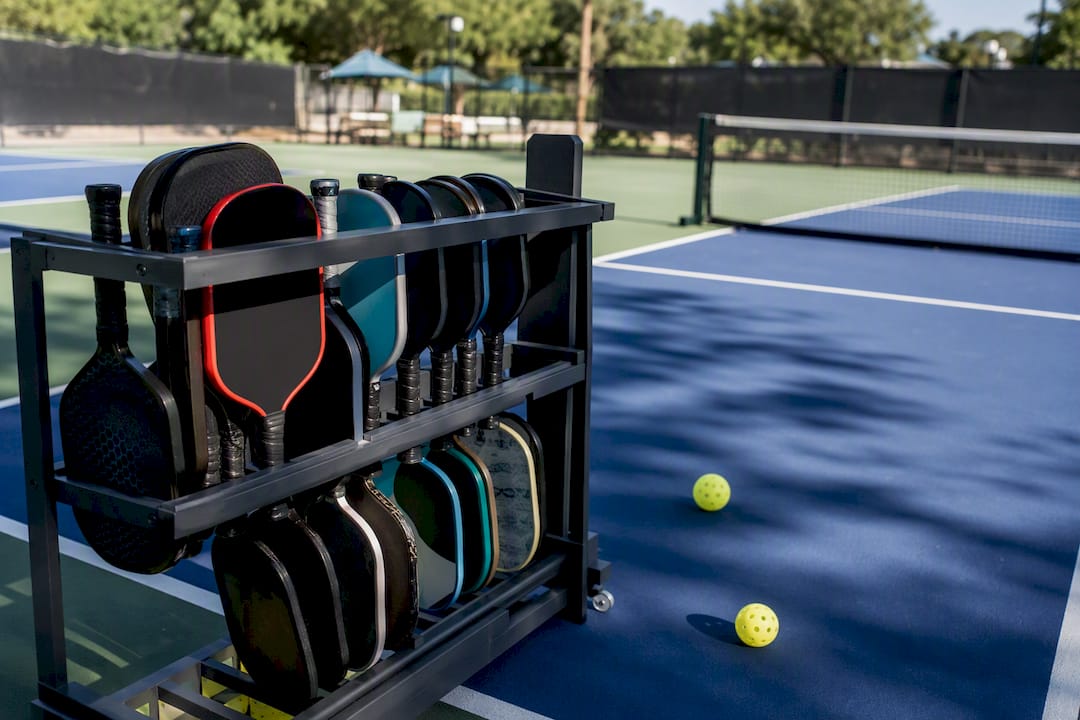
Parks and rec pickleball happens at your city or town’s public parks and recreation centers, usually through three doors: free or low-cost drop-in open play, beginner clinics, and seasonal leagues you register for online. Most municipal courts charge nothing to nothing much for open play, often in the $0 to $2 per session range. Here’s how to get on a court this week:
- Search “[your city] parks and recreation pickleball” and look for a dedicated pickleball or racquet sports page.
- Check the activity registration portal for league sign-ups, clinic dates, and fees.
- Show up to a posted drop-in session with a paddle, or register for the next league cycle if you want structured competition.
Key Takeaways
Parks and rec pickleball works because most cities offer free or low-cost open play alongside structured, self-reported skill divisions in registered seasonal leagues.
| Point | Details |
|---|---|
| Start with open play | Drop-in sessions often cost $0 to $2 and require no registration, just a paddle. |
| Confirm court type first | Check whether a facility is dedicated pickleball or a striped multi-use court before you go. |
| Register early for leagues | Popular seasonal leagues fill fast, so sign up as soon as registration opens. |
| Know your division | Most municipal leagues use a 1.0 to 5.0 skill scale tied to IFP or DUPR standards. |
| Organizers can simplify operations | FlexLeague+ automates registration, scheduling, and Stripe payments for parks and rec leagues. |
Where to Check for Local Pickleball Listings
Start with your city’s official parks and recreation website and search directly for “pickleball” rather than browsing general sports listings, since court maps and league pages are often buried under a dedicated racquet sports section.
- Your city or county parks and recreation homepage
- The municipal activity registration portal (often a separate login from the main city site)
- Facility-specific pages that list dedicated vs. striped courts and reservation rules
Set a calendar reminder to check registration dates a few weeks before each new season, since spots for popular leagues move quickly. Organizers looking to modernize how their department runs registration and scheduling can explore FlexLeague+ as a dedicated league management resource.
Table of Contents
- What’s the Difference Between Drop-In Play and a Registered League?
- How Do League Skill Divisions and Ratings Actually Work?
- Dedicated vs. Striped Courts: Why It Matters Before You Show Up
- Do You Need to Reserve a Court, or Can You Just Walk Up?
- What Are the Unwritten Rules of Open Play?
- What Should You Bring, and What Should You Wear?
- Who Plays Parks and Rec Pickleball, and How Inclusive Are the Programs?
- What a First Session at the Park Actually Feels Like
- How FlexLeague+ Helps Parks and Rec Departments Run Better Leagues
- Frequently Asked Questions
- Sources
What’s the Difference Between Drop-In Play and a Registered League?
Drop-in play, sometimes called open play, is walk-up. You show up during posted hours, add your paddle to a rotation rack, and get slotted into games as courts open up. No registration, no commitment beyond that afternoon. Some cities sell a small ticket for it. Racine, for example, runs $2 drop-in nights alongside its ladder league, sold right at the parks office.
A registered league is a different animal. You sign up ahead of time, usually online through the city’s recreation portal, commit to a set schedule, and often get placed into a division based on self-reported skill level. Leagues run on fixed calendars. Virginia Beach’s adult program, as one example, structures its season around eight weeks with a posted per-player fee, and Blue Springs, Missouri runs six regular season weeks followed by a tournament week to close things out.
The registration process itself usually looks the same everywhere: create an account on the city’s recreation software, browse the activity catalog, pick your division, pay online, and you’re locked into that roster until the season ends. Some departments also run ladder leagues, where your opponents and partners rotate week to week based on standings, rather than a fixed team format. If you’re not sure which fits you, a beginner clinic or one open-play night before you commit to eight weeks is the low-risk move.
How Do League Skill Divisions and Ratings Actually Work?
Most city recreation departments sort players into divisions using a self-reported skill scale, and that scale is almost always 1.0 to 5.0, the same framework used by the International Federation of Pickleball (IFP) and mirrored closely by DUPR, the sport’s dynamic rating system.
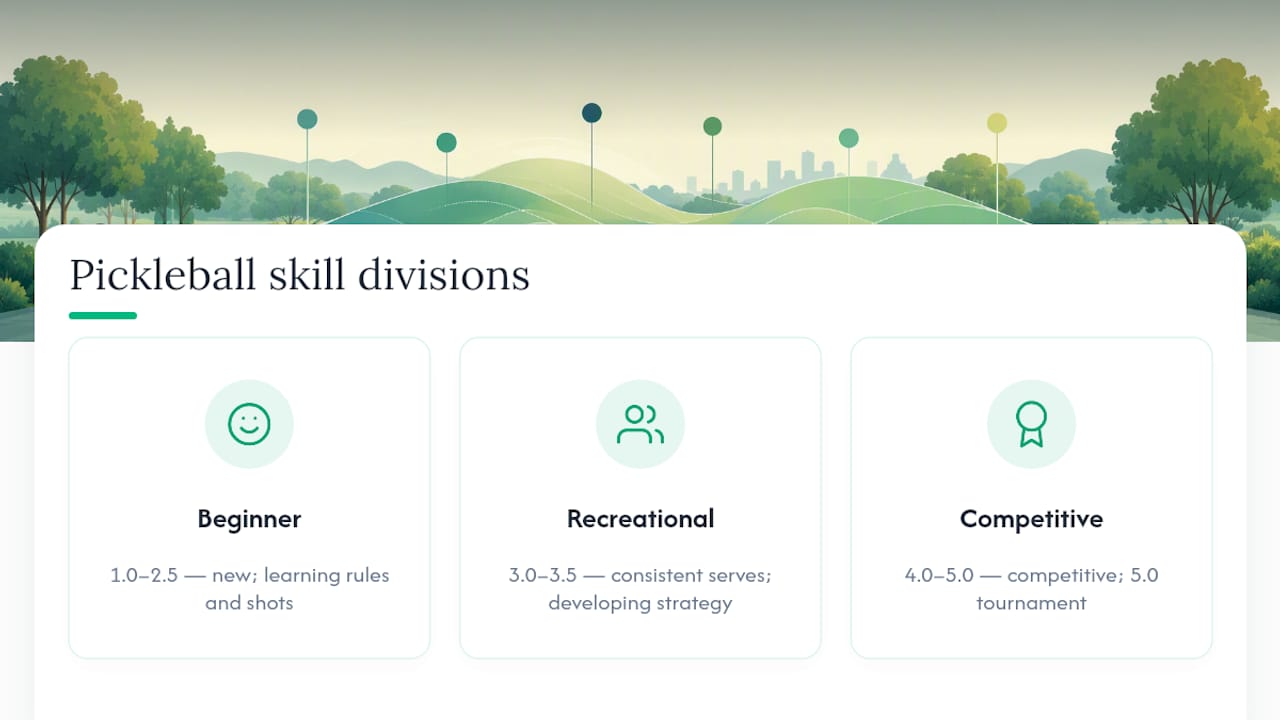
Here’s what that actually means when you’re filling out a registration form. A 1.0 to 2.5 player is new to the sport, still learning rules and shot selection. The 3.0 to 3.5 band covers most recreational league players: consistent serves, developing strategy, occasional unforced errors. Anything 4.0 and up is competitive territory, and 5.0 is tournament caliber.
Municipal leagues rarely require a formal rating to join. Most ask you to self-report where you land, sometimes with a short skills questionnaire, and league organizers adjust divisions after the first week or two if someone’s clearly in the wrong bracket. A growing number of city programs now sync directly with DUPR, so match results feed into a rating you can use across other leagues and clubs, not just that one season. If a league page lists both a division name and a DUPR range, that’s usually the more reliable signal. If it just says “beginner,” “intermediate,” or “advanced,” ask the front desk what skill numbers those tiers correspond to before you register.
Dedicated vs. Striped Courts: Why It Matters Before You Show Up
Not every court labeled “pickleball” on a parks map was built for pickleball. Dedicated courts are purpose built, with the smaller pickleball-specific dimensions baked into the surface, permanent nets set at the correct height, and lines painted for pickleball only. Striped or multi-use courts are usually repurposed tennis or basketball courts with pickleball lines painted over or alongside the existing court markings, and a portable net dropped in for the session.
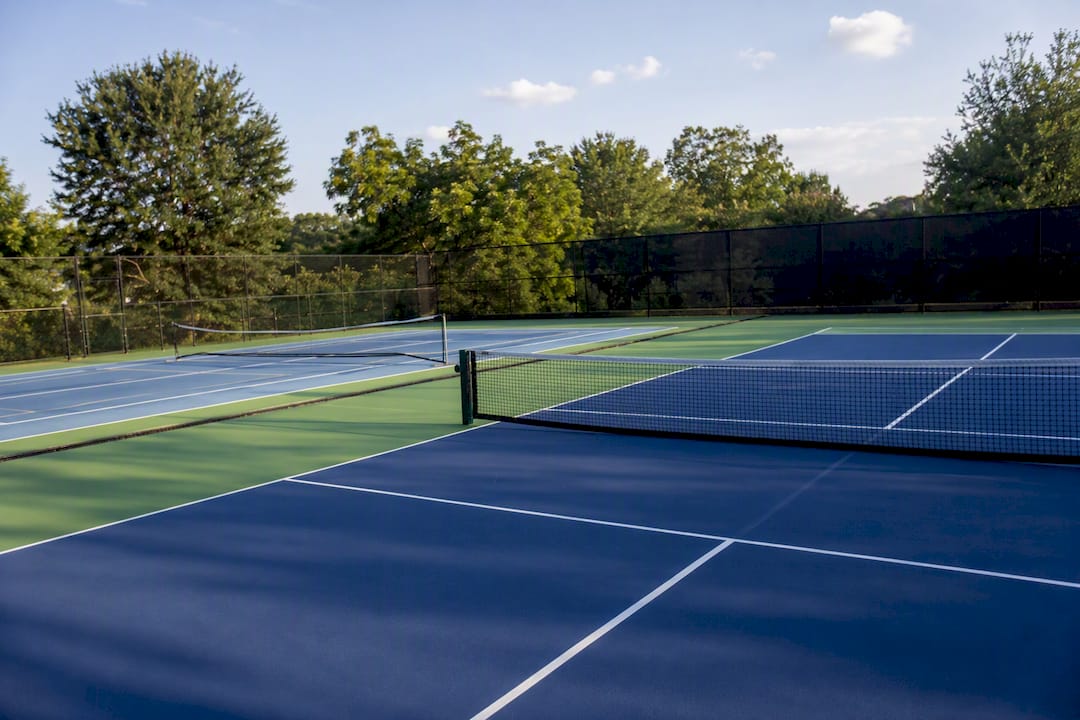
The practical difference shows up the moment you play. On a dedicated court, the surface, lighting, and fencing are usually tuned for a faster, closer game. On a striped court, you might be sharing lines with tennis players, working around a net height that’s a compromise between two sports, or dealing with a surface not really optimized for pickleball’s quicker footwork. Converting a tennis court into a multi-use space is common practice, but the surface underneath doesn’t always change, even if the paint does.
Minneapolis Park & Recreation Board’s facility listings, like many city systems, flag which courts are dedicated and which are shared, often noting reservation requirements for the dedicated ones specifically. Before you drive across town for open play, check the facility page for that distinction. A striped court works fine for casual games, but if you’re training seriously or bringing a group for a clinic, a dedicated court removes a lot of friction.
Do You Need to Reserve a Court, or Can You Just Walk Up?
It depends entirely on the facility, and this is the detail most new players skip until they’ve driven to a locked gate. Some parks run pure walk-up access during posted open-play hours, first-come, first-served, no booking needed. Others require a reservation through the recreation department’s online system, particularly for dedicated pickleball courts or indoor facilities where demand outpaces supply.
San Francisco Recreation and Parks, for instance, lists reservation and permit contacts for certain court types, a system fairly typical of larger cities where dedicated courts book up fast on weekends. Smaller towns tend to lean walk-up, especially for outdoor courts during weekday daytime hours when demand is lower.
The safest approach: check the specific facility page, not just the general “pickleball” city page, before you go. Facility-level listings usually spell out whether a court is reservation-only, walk-up-only, or a hybrid where reservations hold priority but open slots are walk-up. If a court requires a permit, that process usually runs through the same portal used for league registration, so creating an account early saves you a step later.
Pro Tip: Call or check the facility page the morning of, not the night before. Weather cancellations and maintenance closures on outdoor courts often post same-day.
What Are the Unwritten Rules of Open Play?
Open play runs on a paddle rack system almost everywhere. You walk up, place your paddle in the rack or a designated spot, and it moves through a rotation as courts open. Winners often stay on, though some parks rotate everyone off after each game regardless of score, so check the posted rules at the specific site rather than assuming.
Parks departments are consistent on one point: open play is community-enforced, not staff-enforced. Nobody’s refereeing your line calls. That makes etiquette the actual rulebook.
A few norms hold almost everywhere:
- Call your own lines honestly, and when in doubt, give the point to your opponent.
- Keep score out loud so new partners can follow the game.
- Don’t hover on the sideline blocking the paddle rack view.
- Mix skill levels graciously during slow hours; save the intense 4.0 matchups for when there’s a full rotation.
If you’re new, tell your first group. Most rec players are happy to slow down and explain positioning rather than watching you guess.
What Should You Bring, and What Should You Wear?
Bring your own paddle. That’s the one piece of gear almost no parks department supplies, and open play runs on a first-come, first-served paddle rack that assumes you already have one. Some facilities keep a small stock of balls for sale or loan, but don’t count on it, especially at outdoor courts with no staffed building nearby. If you need to replace a paddle or grab extra balls, retailers like Padelhip stock pickleball paddles and equipment if your local sporting goods store comes up short.
Footwear matters more than beginners expect. Court shoes with lateral support, the kind built for tennis or basketball, protect your ankles during the fast side-to-side movement pickleball demands. Running shoes are built for forward motion and don’t hold up well to the sport’s quick direction changes.
Bring water, sunscreen if you’re outdoors, and a light layer, since morning and evening sessions at outdoor courts can run cool even in warm months. If you’re heading to a clinic or your first league night, arrive ten minutes early. Most groups spend the first few minutes sorting out rotation or division assignments, and showing up late means missing that setup.
Who Plays Parks and Rec Pickleball, and How Inclusive Are the Programs?
Parks and rec pickleball skews toward one of the most age-diverse rosters in community sports. Adult leagues at most cities welcome anyone 18 and up, with plenty of programs specifically structured for seniors, and youth sessions are becoming more common as school-age interest grows.
Age-specific divisions are common, not universal. Many parks departments run senior-focused clinics and leagues separately from general adult play, often at lower-impact hours, while a smaller but growing number offer structured youth pickleball programs for kids and teens. Adaptive and wheelchair pickleball is available in some larger city systems, though it’s worth calling ahead to confirm a specific facility supports it before you show up expecting it.
If you’re looking to volunteer or coach, most parks departments post seasonal openings for clinic instructors, league assistants, or court monitors through the same portal used for program registration. Reach out to the recreation center’s front desk or check the “volunteer opportunities” tab on the city site. Many programs are run by a mix of paid staff and community volunteers, and coaching a beginner clinic is often the easiest entry point if you already play at an intermediate level or higher.
What a First Session at the Park Actually Feels Like
Walk into a rec-run pickleball session for the first time and you’ll notice the paddle rack before you notice anything else. That’s where the rotation happens, and it’s the fastest way to understand the community: everyone waits their turn, everyone gets folded in.
Bring your own paddle. Balls are sometimes provided by the facility, sometimes not, so don’t assume. The regulars will usually walk a newcomer through the rotation without being asked, because keeping the games moving benefits everyone on the sideline waiting for a court. Robert, who has spent time both organizing and playing in local leagues, notes that the informal mentoring at open play often teaches more in twenty minutes than a solo practice session would in a week.
How FlexLeague+ Helps Parks and Rec Departments Run Better Leagues
If you’re the one running a parks and rec pickleball program instead of just playing in one, FlexLeague+ handles the parts that eat up a recreation coordinator’s week: registration, automated scheduling, division management, live standings, and payment collection, all in one system.
Running a league by spreadsheet works until forty people register and someone’s division gets mixed up the night before matches start. FlexLeague+ replaces that scramble with:
- Online registration that sorts players into skill divisions automatically.
- Auto-generated match schedules instead of manual bracket building.
- DUPR-approved rating sync, so results carry over to players’ official ratings.
- Stripe-powered payment collection for registration fees, no separate invoicing needed.
Municipal departments sometimes have procurement or IT approval steps before adopting new software, so it’s worth checking with your city’s purchasing office before rolling out a new platform league-wide. Once you’re clear to move forward, the pickleball league management software page walks through setup for singles, doubles, mixed, and team-style formats similar to MLP.
Pro Tip: Set your registration open date two weeks earlier than you think you need to. Popular leagues fill fast once word spreads, and early sign-ups tend to sell out registration slots before casual players even see the announcement.
Ready to see how it runs your next season? Start with FlexLeague+ and get your division structure and registration page live before your next league cycle opens.
Frequently Asked Questions
Is parks and rec pickleball free to play? Open play is often free or costs a small drop-in fee, commonly $0 to $2 per session. Registered leagues charge a per-season fee, which varies by city and typically covers an 8-week schedule.
Do I need a DUPR rating to join a parks and rec league? No. Most municipal leagues let you self-report your skill level on a 1.0 to 5.0 scale when you register. Some programs now sync results with DUPR so your rating updates as you play.
How do I find pickleball clinics near me? Check your city’s parks and recreation activity catalog for “Pickleball 101” or beginner clinic listings, which are usually priced as single sessions or short multi-week classes separate from full leagues.
What’s the difference between a ladder league and a standard league? A ladder league rotates your opponents and partners week to week based on standings, while a standard league keeps you with the same team or division partner for the full season.
Can kids play parks and rec pickleball? Many departments now run youth-specific sessions and clinics separate from adult leagues, though availability depends on local demand and facility scheduling.
Sources
- Pickleball — City of Fort Wayne
- Pickleball at Austin Parks and Recreation
- Adult Pickleball — City of Virginia Beach Parks & Recreation
- Adult Pickleball — City of Racine