How to Start a Pickleball League: 2026 Step-by-Step Guide
How to Start a Pickleball League: 2026 Step-by-Step Guide
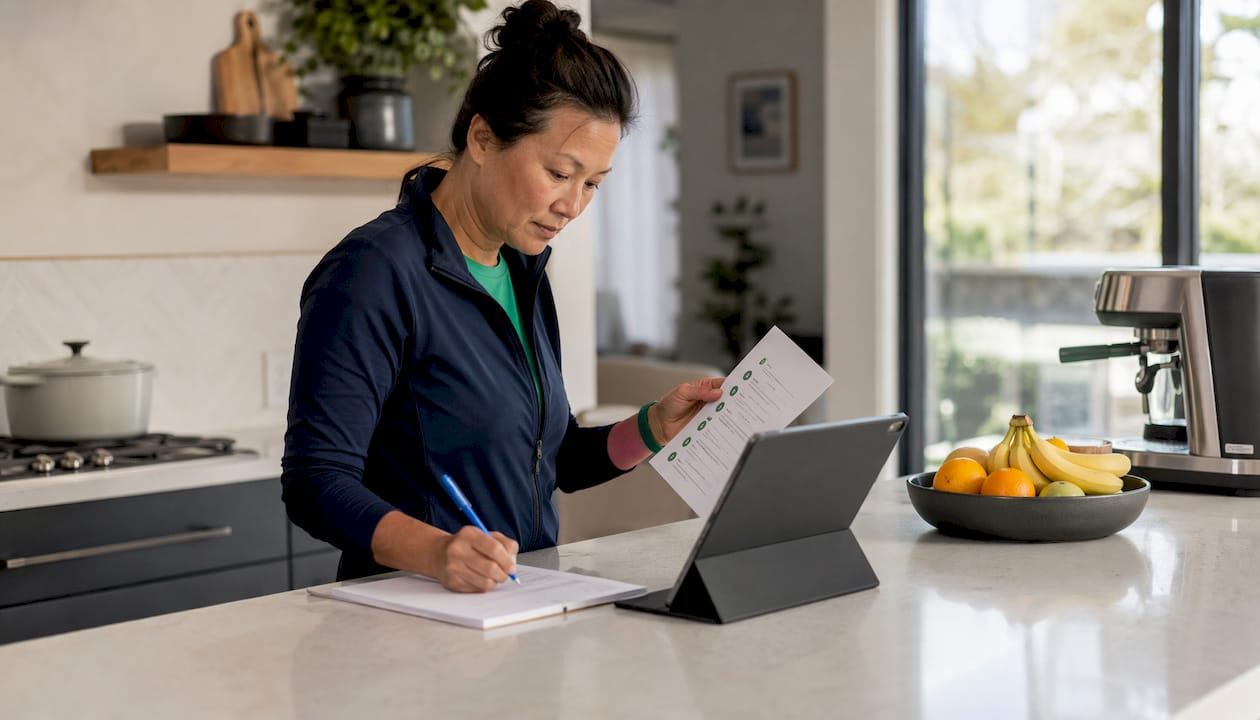
Starting a pickleball league comes down to four things: committed players, reliable court access, a clear format, and consistent communication. Get those right and you have a league. Skip one and it quietly falls apart by week three. Here is exactly how to build one that lasts.
What you need at minimum to launch:
- A group of committed players who agree to show up weekly
- At least a couple of courts reserved for a couple of hours per week
- A defined format (random doubles rotation works best for new leagues)
- A fee structure that covers court rental, balls, and admin costs
- One communication channel used consistently every week
- A fixed day and time, same every week, for the full season
- Basic equipment: nets, balls, and a way to track scores
How to start a pickleball league: setting up your organizer profile
Before you recruit a single player, define what kind of league you are running. Social play, competitive ladder, fundraiser, or a mix? That decision shapes every choice that follows.
Create an organizer profile on a platform built for league management. Flexleagueplus lets you set up singles, men’s doubles, women’s doubles, mixed doubles, and even team formats similar to Major League Pickleball. Once your profile is live, players can register, pay, and check standings all in one place.
Your organizer setup checklist:
- Define the league mission: recreational, competitive, or community fundraiser
- Estimate your weekly time commitment honestly (a small social league runs 1–2 hours a week)
- Recruit a co-organizer from day one. Organizers who try to do everything alone burn out fast, and sharing the workload early is what keeps leagues alive past season one
- Set your contact info and preferred communication channel before opening registration
How do you find and secure courts for a league?
Court access is the single biggest logistical challenge. A standard 16-player doubles league needs at least 2 courts for 2 hours weekly, and 4 courts is the better target so all teams play simultaneously.
Your main options:
- Public courts: Free but first-come, first-served. Contact your parks and recreation department about reserving recurring time blocks. Many cities offer this at no charge for organized groups.
- Community centers and YMCAs: Usually the easiest option. Recurring time slots are available, costs are moderate, and staff often help with communication.
- Private facilities: Guaranteed availability and weatherproof, but more expensive. Build the court rental cost directly into player fees.
- Converted courts: Tennis courts, gym floors, and parking lots work with portable nets and temporary line tape. A pickleball court measures 20 feet wide by 44 feet long.
If your courts lack permanent nets, budget $130–$150 per portable net. For balls, Franklin X-40s are the official ball of USA Pickleball and the standard for outdoor league play.
Recruiting players and growing your league community
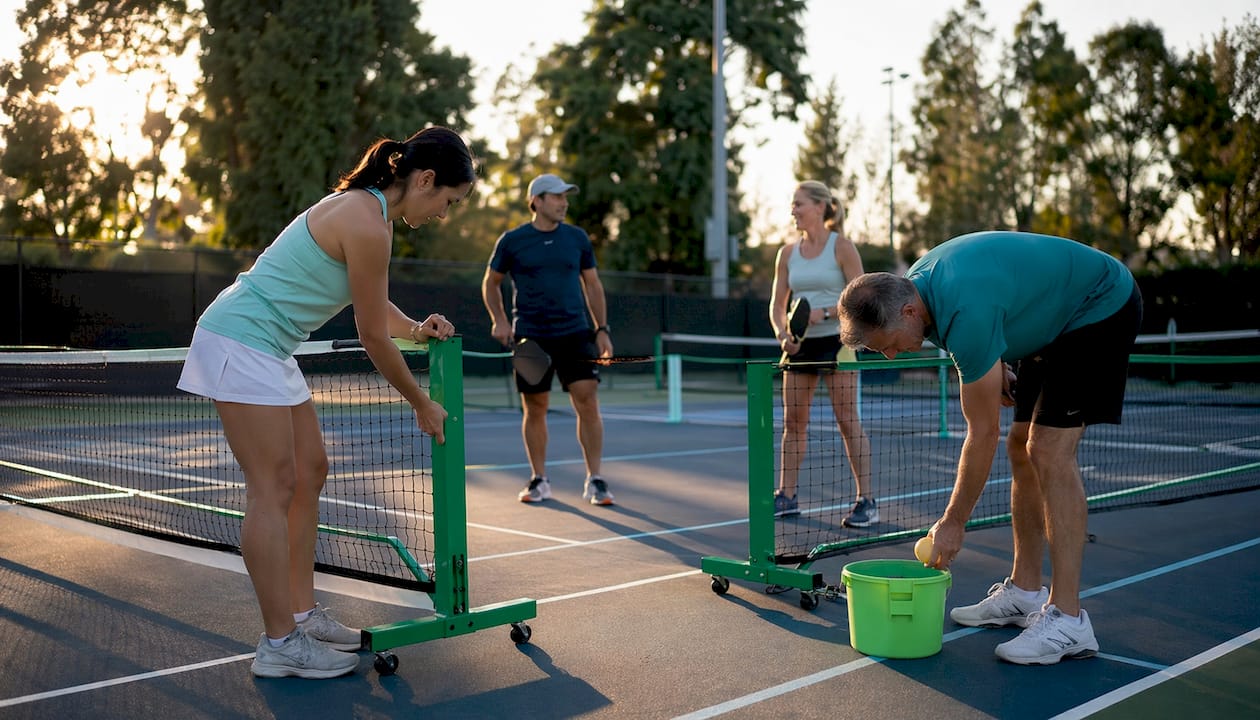
A functional league needs a moderate number of committed players for consistent weekly play over a sufficient period. Fewer than 8 and you do not have enough rotation. More than 16 in a single tier and scheduling gets complicated fast.
Start with the people already at your courts. If there is an informal pickup group, that is your core. Ask who wants organized play. Then expand outward:
- Post on Nextdoor, local Facebook groups, and your city’s parks and rec page
- Contact the parks department directly. Many have email lists of pickleball program participants and will promote your league for free
- Use a simple Google Form to collect names, skill level, and preferred play days before you commit to a format
Pro Tip: A welcoming social atmosphere retains players better than a hyper-competitive environment. Players stay for the community as much as the competition. Prioritize fun and friendliness from week one, and you will see far fewer dropouts by mid-season.
For tips on organizing a pickup game before your league officially launches, building an informal group first is a proven way to confirm real commitment.
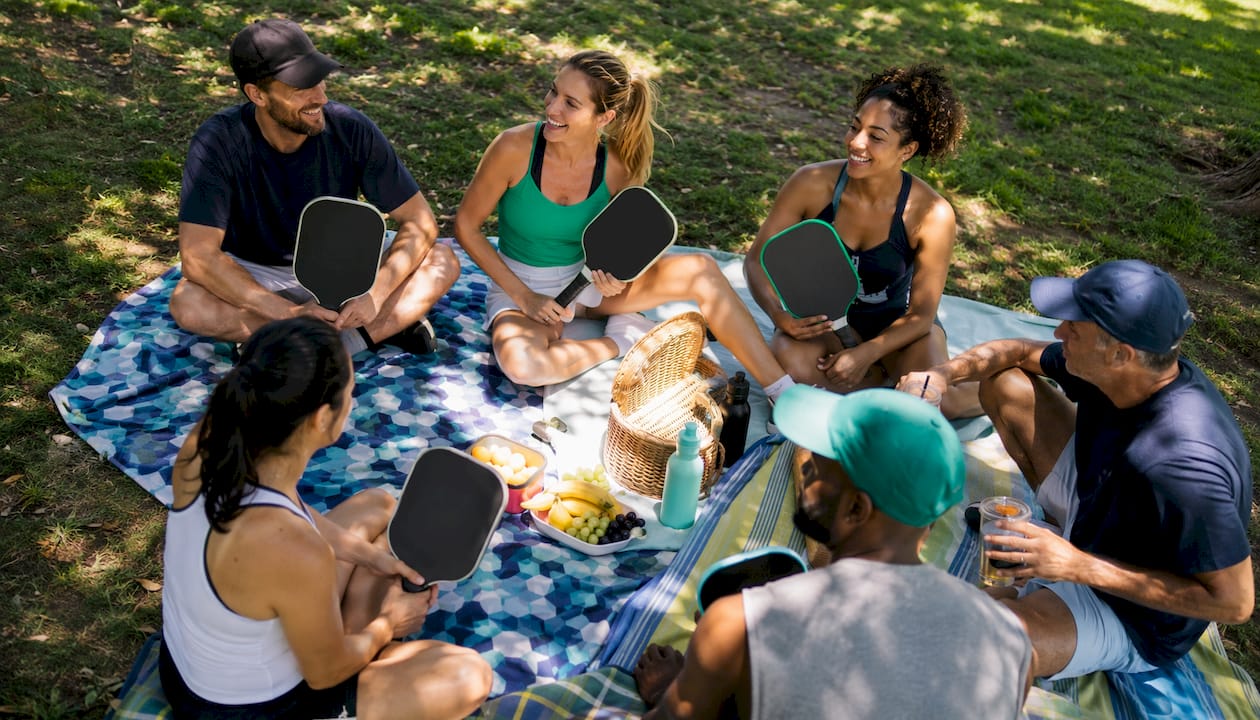
Scheduling matches and designing your league structure
New leagues fail most often by over-engineering season one. Start simple.
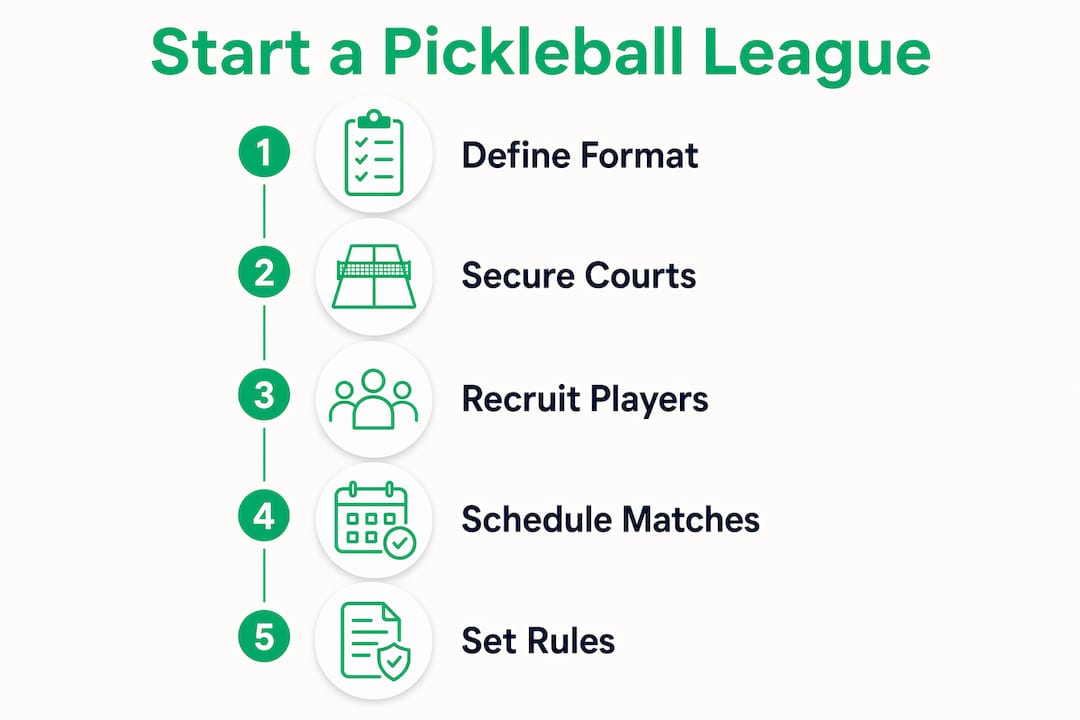
Recommended formats by league type:
| Format | Best for | How it works |
|---|---|---|
| Random doubles rotation | New leagues, social play | Partners drawn randomly each session; points accumulate across the season |
| Round robin | Beginners, small groups | Every team plays every other team |
| Ladder | Competitive players | Players challenge those ranked above them; flexible scheduling |
Random doubles rotation is the right call for season one. It is the easiest to run, mixes skill levels naturally, and builds the strongest community. Add tiered divisions in season two once you know who is committed.
Set your season at several weeks. Long enough to build real standings, short enough that committing feels manageable. Fixed weekly time slots outperform variable scheduling every time. Same day, same court, same time. Predictability is the whole value proposition.
Plan for no-shows by defining a clear substitute policy before the season starts. A common rule: players who miss a session forfeit that session’s points and return the following week.
Setting league rules, fees, and governance policies
USA Pickleball is the official national governing body and has published the official rulebook since 1984. Adopting their rules as your league standard eliminates most disputes before they start and gives your league immediate credibility.
Core rules to establish before day one:
- Scoring: Games to 11, win by 2. Best of 3 per match works well for league play.
- Fees: Paid leagues have higher attendance than free ones. Recommended fees run a moderate amount per player per season depending on court type. Players with skin in the game show up.
- Payment collection: Flexleagueplus connects directly to Stripe, so players pay at registration and organizers never chase dues manually.
- Refund policy: Define it before registration opens, not after someone asks.
- Forfeit rule: 15 minutes late is a common forfeit threshold. State it clearly.
- Code of conduct: Respectful play, own-team line calls, no coaching opponents mid-match.
Promoting your pickleball league and engaging the community
Promotion is not a one-time announcement. It is a weekly habit.
Pick one communication channel and use it every week without exception. Group text works for under 20 players. WhatsApp handles 20–50. Above that, move to an email list or a dedicated app. Three messages per week keeps players engaged:
- Sunday: Reminder of the upcoming session, format, and any changes.
- Day-of: A short check-in two hours before play. “We are on at 6 PM. See you there.”
- Day-after: Recap with top scorers, fun moments, and a social call-out. This is the message that actually builds community.
For broader outreach, post on Instagram and local Facebook groups, partner with your parks department for free promotion, and plan an end-of-season tournament or social event. A finals night gives the season a natural arc and keeps players locked in through the last week.
Why USA Pickleball resources matter for your league
USA Pickleball has governed the sport and maintained the official rulebook since 1984, making it the definitive authority on rules standardization and fair play across every level of competition in the United States.
Adopting the USA Pickleball rulebook does more than settle line-call arguments. It signals to players that your league is legitimate, which matters when you are recruiting players who have competed elsewhere and expect consistent standards.
USA Pickleball also offers a league directory where players can find organized leagues in their area. Listing your league there extends your reach beyond your immediate network.
How to handle disputes and conflict resolution
Disputes in recreational leagues almost always come down to line calls, score disagreements, or perceived rule violations. The fix is to establish the resolution process before the first match, not during one.
Set the rule that line calls belong to the team on whose side the ball lands. Disputed points replay the point, no exceptions. For conduct issues, give organizers clear authority to issue warnings and, if needed, remove a player from a session. A written code of conduct distributed at registration removes the ambiguity that turns small conflicts into big ones. Players accept almost any rule as long as it is applied consistently.
Tracking player statistics and league standings
Live standings are one of the strongest retention tools a league has. Players who can see their rank check in more often, show up more reliably, and recruit friends to join.
Flexleagueplus handles automated standings and score reporting so organizers are not manually updating spreadsheets after every session. The platform is DUPR-approved, which means player ratings update automatically and carry over to other DUPR-connected events. For organizers who want to track statistics beyond wins and losses, tracking points per game and head-to-head records adds depth that competitive players genuinely appreciate. Post standings after every session, not just at the end of the season.
Run your league with Flexleagueplus
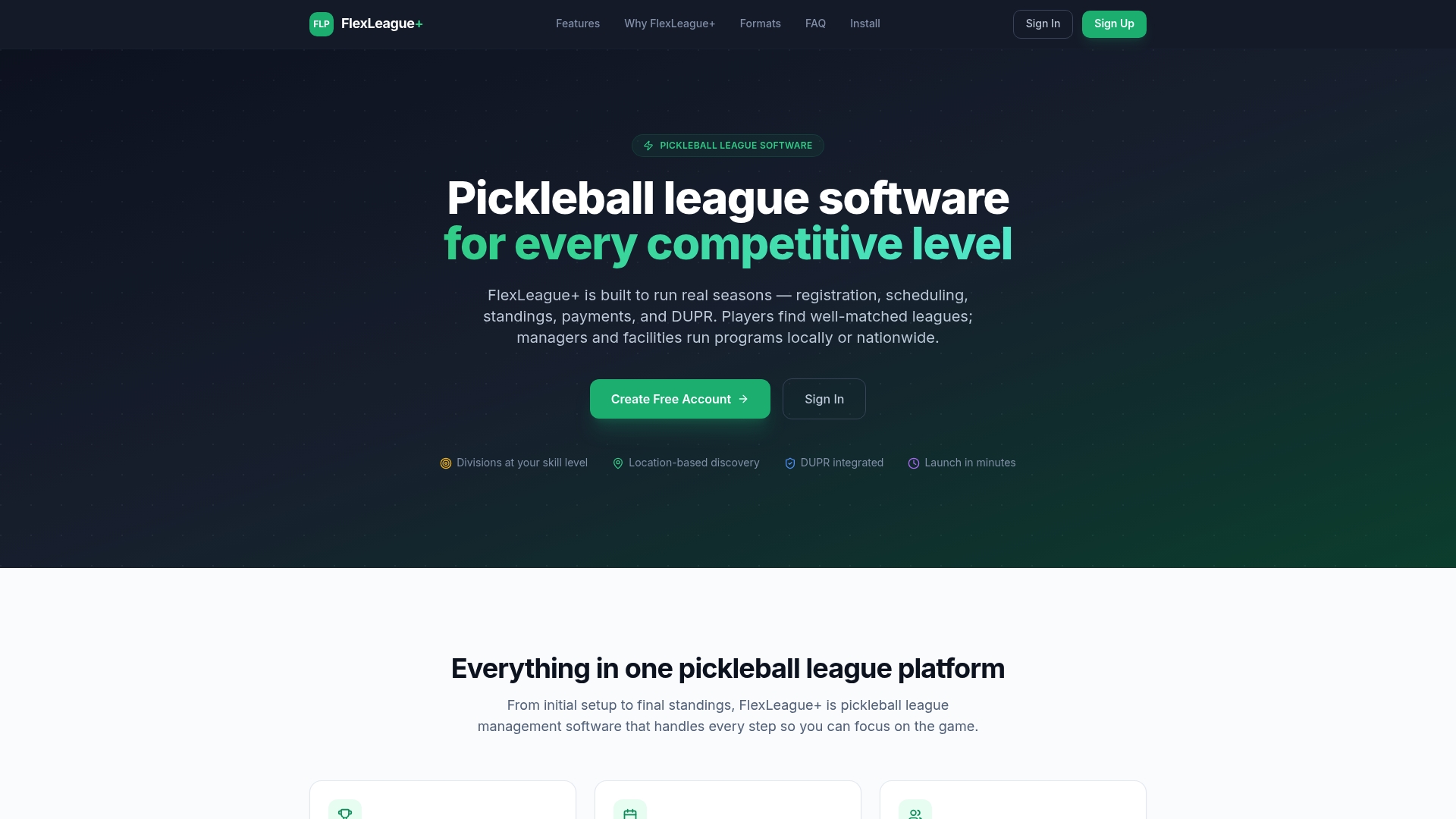
Flexleagueplus handles the operational side of running a pickleball league so you can focus on building the community. Registration, automated scheduling, division management, live standings, playoff brackets, score reporting, DUPR integration, and Stripe-powered payment collection are all built in. No subscription required for players or managers.
Start your league on Flexleagueplus and have your first season ready to launch in under an hour.
Key Takeaways
Starting a pickleball league requires committed players, reliable courts, a simple format, and consistent weekly communication to build a community that lasts.
| Point | Details |
|---|---|
| Minimum player count | Recruit 8–16 committed players before finalizing any format or schedule. |
| Court requirements | A 16-player doubles league needs at least 2 courts for 2 hours weekly. |
| Best first-season format | Random doubles rotation is the easiest to run and builds the strongest community. |
| Fee structure | Recommended fees are $30–$80 per player for an 8-week season depending on court type; paid leagues have higher attendance than free ones. |
| Communication cadence | Send three messages per week: Sunday reminder, day-of check-in, and day-after recap. |